
Natural Skin Care – Centuries before the rise of glass bottles and cosmetic brands, the women of East Asia were perfecting the art of skin care using what nature offered. Their goal was not instant transformation but harmony, balance, and prevention. In Japan, China, and Korea, beauty was seen as an outward reflection of inner calm and well-being, and skincare was both a daily practice and a quiet ritual.
Skin Care in Japan
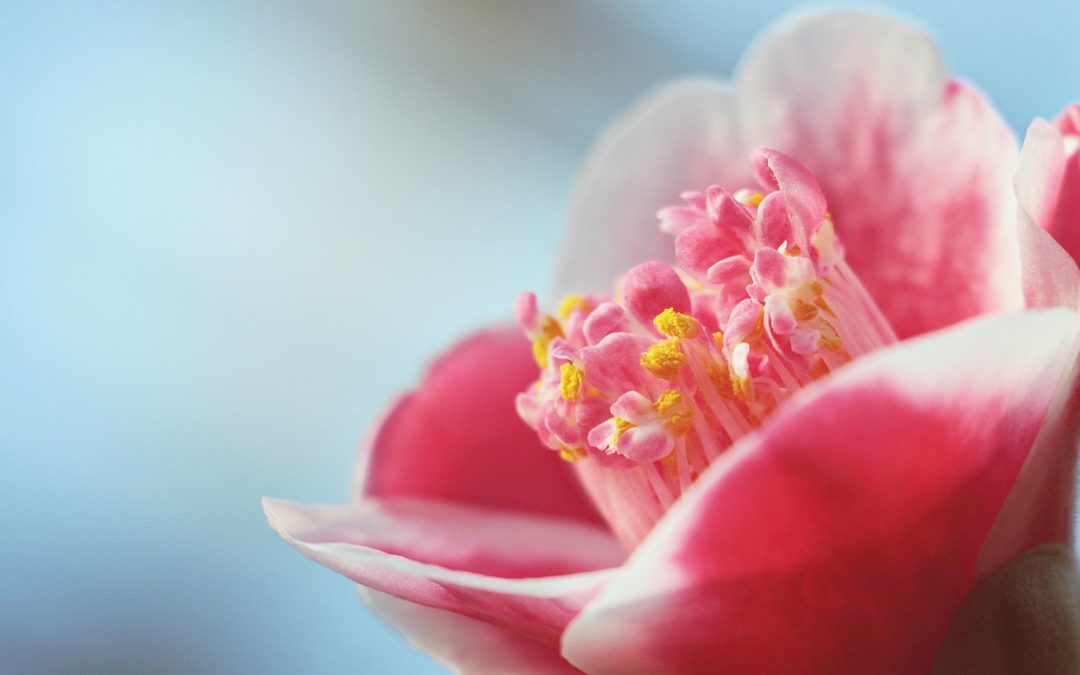
Japanese women have long been known for their porcelain-like skin, achieved through the use of rice water and camellia oil. Rice water, the liquid left after rinsing or soaking rice, was treasured for its ability to soften, brighten, and smooth the complexion. Women used it as a gentle face rinse, noticing that it helped even skin tone and imparted a natural glow. Camellia oil, extracted from the seeds of the camellia flower, was used to moisturize and protect the skin. Rich in antioxidants and fatty acids, it absorbed quickly and left no residue, keeping skin youthful and supple.
China natural skin care
In China, beauty was linked to health, and herbal remedies formed the foundation of skincare. Ginseng, known as the “root of immortality,” was often used in face masks and tonics to promote circulation and vitality. Pearl powder was another prized ingredient, used by noblewomen to brighten and smooth the skin. Green tea, now globally popular, was first used as a skin purifier and anti-aging treatment thanks to its powerful antioxidants.
Meanwhile, Korean women practiced a layered skincare approach long before it became a modern trend. Fermented ingredients like rice bran, soy, and herbs were used to create nourishing elixirs. Korean mothers and grandmothers passed down recipes for masks made from honey, egg whites, and ground mung beans. These natural treatments were not only effective but part of family tradition, emphasizing gentle care and patience over time.
The East Asian approach to skincare remains one of mindfulness and respect for nature. It’s about consistency rather than quick fixes, about enhancing natural beauty rather than covering it. Even today, many of the most advanced beauty formulas in the world still trace their roots to these ancient, simple rituals.